Banaras Adventure Activities , Think Banaras is only about temples, ghats, and spiritual pursuits? Think again! This ancient city is quietly emerging as an exciting destination for adventure enthusiasts who want to experience India’s cultural heartland from a completely different perspective. Imagine pedaling through narrow medieval lanes as the morning sun illuminates ancient temples, or trekking through rural landscapes where life has remained unchanged for centuries. This is Banaras beyond the guidebooks—active, exhilarating, and utterly unforgettable.
Most travelers arrive in Banaras expecting spiritual experiences and cultural immersion, and they certainly get that. But what if you could combine that depth with physical adventure? What if you could earn your sunrise Ganga Aarti viewing with an early morning cycle ride through awakening streets? What if you could understand rural Indian life not from a car window but through a trek that takes you deep into agricultural villages?
Adventure activities in Banaras offer something increasingly rare in travel—authenticity combined with physical engagement. You’re not mountain biking on manufactured trails or trekking through national parks designed for tourists. You’re cycling past homes where families have lived for generations, navigating paths that locals use daily, and experiencing landscapes shaped by centuries of human habitation. This isn’t adventure tourism in the conventional sense; it’s immersive exploration that happens to involve physical activity.
The beauty of adventure activities in Banaras lies in their accessibility. You don’t need to be an experienced mountaineer or an ultra-marathon cyclist. The terrain is manageable, distances are reasonable, and the rewards—both physical and cultural—are substantial. Whether you’re a fitness enthusiast looking for active exploration or a casual traveler wanting to add some physical dimension to your cultural journey, Banaras’s emerging adventure scene has something to offer.

Why Banaras Is an Emerging Adventure Destination
So why is Banaras, traditionally known for its spiritual significance, becoming recognized for adventure activities? The answer lies in its unique geography and growing infrastructure for active tourism. The city sits on the banks of the Ganges with relatively flat terrain perfect for cycling, surrounded by rural areas ideal for moderate trekking, and blessed with a climate that’s suitable for outdoor activities most of the year.
The compact nature of Banaras’s historic core makes it perfect for cycling exploration. Within a few kilometers, you can encounter extraordinary architectural diversity, witness daily life in its most authentic form, and access both the chaotic energy of the city center and the peaceful countryside beyond. Unlike sprawling modern cities where destinations are far apart, Banaras rewards the cyclist with constant discoveries around every corner.
The surrounding rural areas present trekking opportunities that most travelers never discover. Small trails wind through agricultural lands, connect villages, and offer glimpses into rural life that remains largely untouched by tourism. These aren’t wilderness treks—you’re rarely far from habitation—but that’s precisely what makes them special. You’re trekking through living landscapes where agriculture, tradition, and community continue much as they have for generations.
Growing awareness among tour operators about adventure tourism potential has led to better organization of cycling tours, development of route maps, availability of rental bicycles, and guides trained in both adventure activities and cultural interpretation. This infrastructure development makes adventure activities more accessible without diminishing their authenticity.
Perhaps most importantly, adventure activities in Banaras align with growing travel trends emphasizing sustainable, immersive, and active exploration. Travelers increasingly want to do more than observe—they want to engage, move, and experience destinations physically. Banaras, with its rich culture and accessible terrain, perfectly satisfies this desire.
Cycling Through the Ancient Lanes of Banaras
The Best Cycling Routes in Banaras
Cycling in Banaras isn’t about covering maximum distance—it’s about experiencing maximum diversity in minimum space. The best routes take you through different aspects of the city’s personality, from sacred ghats to bustling markets, from quiet residential neighborhoods to the agricultural outskirts.
One classic route starts at Assi Ghat in the south, follows the riverfront road northward past multiple ghats, and continues to the more peaceful northern ghats like Panchganga and Adi Keshava. This approximately 8-kilometer stretch offers river views, architectural variety, and opportunities to stop at significant temples and ghats. Early morning is ideal—you’ll witness bathing rituals, morning prayers, and the city awakening while traffic remains manageable.
Another excellent route explores the old city’s interior lanes. Starting from Godowlia crossing, you can navigate (with some local guidance or a good map) through the textile bazaars, past ancient temples, through residential neighborhoods where life unfolds in courtyards and doorways, and eventually emerge at different ghats. This route is more challenging due to narrow passages and pedestrian traffic, but it’s incredibly rewarding for those seeking authentic urban exploration.
For those wanting to escape the city entirely, routes heading toward Sarnath (approximately 10 kilometers) or into the agricultural areas beyond Ramnagar offer different experiences. These routes trade architectural density for open landscapes, replacing the sensory intensity of city streets with the peaceful rhythms of rural life. You’ll pass villages, fields, and small temples while experiencing the broader landscape context within which Banaras exists.
Heritage Cycling Tours
Organized heritage cycling tours have become increasingly popular, combining physical activity with cultural education. These guided experiences, typically lasting 3-4 hours, take small groups through carefully planned routes that highlight Banaras’s architectural and historical significance.
A typical heritage tour might begin before sunrise, taking advantage of cooler temperatures and quieter streets. The guide leads you through lanes explaining the history of particular buildings, the significance of temples you pass, and stories about neighborhoods you traverse. Stops might include lesser-known temples with exquisite architecture, traditional markets beginning their day, and viewing points where the city’s layered history becomes visible.
What makes these tours valuable isn’t just the information—though knowledgeable guides add tremendous depth—but the pace. Cycling allows you to cover more ground than walking while moving slowly enough to observe and absorb. You can stop when something catches your attention, ask questions about what you’re seeing, and experience the city’s rhythm in a way that’s impossible from a vehicle.
Many heritage tours include interactions with local artisans—a brief visit to a weaver’s workshop, watching morning milk delivery by traditional methods, or observing priests preparing for daily rituals. These human encounters, combined with architectural appreciation and physical activity, create multidimensional experiences that engage body, mind, and emotions.
Riverfront Cycling Experiences
The Ganges riverfront offers some of the most scenic cycling in Banaras. The road running along the ghats, while sometimes crowded, provides constantly changing views of the river, the ghats’ architectural grandeur, and the daily activities that define riverside life.
Morning riverfront cycling is particularly special. You might start in darkness, with only lanterns and early fires providing illumination, and watch the world gradually brighten as you pedal northward. Fishermen prepare their nets, chai vendors set up stalls, priests perform morning rituals, and the river itself seems to awaken with the city. The physical activity of cycling enhances these observations—there’s something about moving through space under your own power that creates deeper engagement than passive viewing.
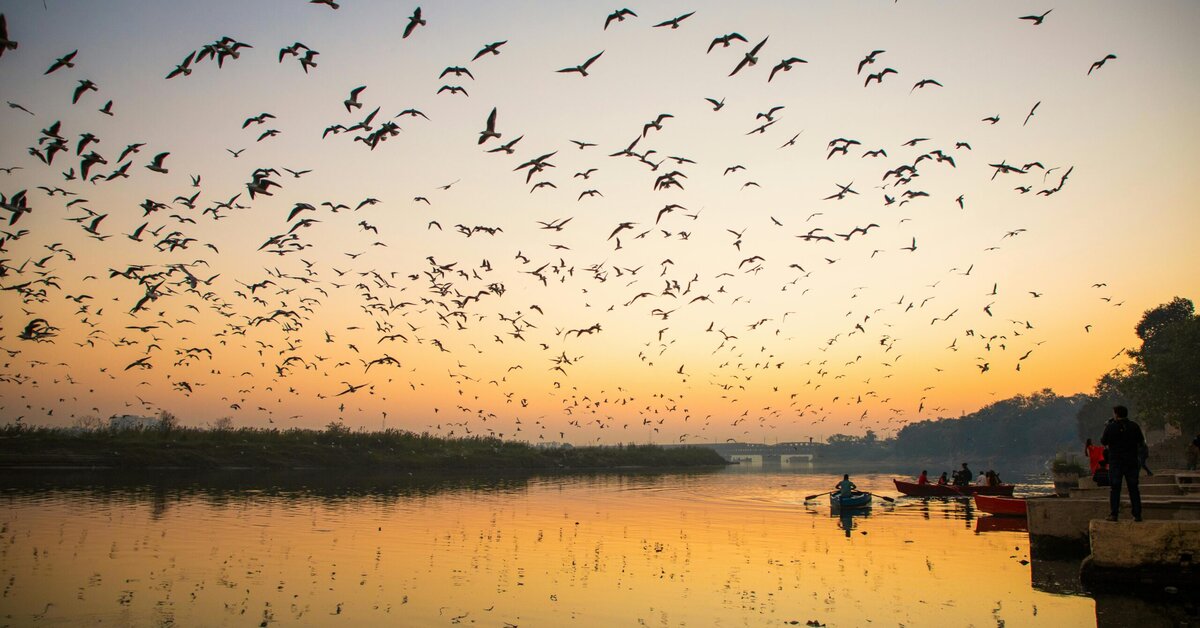
The southern stretch toward Assi Ghat tends to be less congested and offers peaceful cycling with river views. During certain times of year, migratory birds add another dimension to the experience. The northern sections, while potentially more crowded, pass iconic ghats like Dasaswamedh, Manikarnika, and Panchganga, each with distinct character and significance.
Evening riverfront rides offer different pleasures—cooler temperatures, the spectacle of evening aarti viewed from various points along the river, and the magical quality of lamplight reflecting on water. The energy shifts from morning’s purposeful activity to evening’s devotional intensity, creating a completely different atmosphere along the same route.
Exploring the Ghats by Bicycle
Early Morning Ghat Cycling
Early morning ghat exploration by bicycle might be the single best way to experience Banaras’s riverside magic. Starting around 5:30 or 6:00 AM, before tourist crowds arrive but after the city has begun stirring, you can cycle from ghat to ghat observing morning rituals in their authentic context.
Each ghat has its own morning personality. Some are primarily bathing ghats where families perform ablutions and prayers. Others host yoga practitioners greeting the sun with ancient postures. A few serve as laundry ghats where washermen beat clothes against stone steps in rhythms older than memory. Cycling allows you to sample this diversity, spending a few minutes at each location before moving to the next.
The physical effort of cycling adds an element to spiritual observation that’s hard to define but impossible to miss. Perhaps it’s the endorphins from exercise, or the way physical engagement opens different perceptual channels, but many cyclists report that morning ghat rides produce profound experiences—moments of clarity, emotional responses, or simple contentment that passive observation doesn’t quite achieve.
Photographically, early morning ghat cycling is golden. The light is perfect, activities are genuine rather than staged, and the ability to move along the riverfront means you can chase interesting scenes and compositions. The challenge is balancing cycling attention with photographic attention—many cyclists make multiple stops to photograph while others prefer riding continuously and absorbing rather than documenting.
Cycling through Banaras’s interior lanes presents challenges and rewards in equal measure. The lanes—some barely wide enough for a bicycle—weren’t designed for wheeled vehicles. They evolved as pedestrian passages, and cycling through them requires skill, attention, and cultural sensitivity.
The key is adjusting expectations. You won’t achieve speed; you’ll frequently need to dismount; you might occasionally need to carry your bicycle up or down stairs. But the access these lanes provide makes the challenges worthwhile. You’ll discover temples tourist maps don’t show, witness domestic life usually hidden from visitors, and understand how this ancient city actually functions beyond its famous facades.
Timing matters tremendously. Mid-morning through late afternoon, many lanes become too congested for comfortable cycling. Early morning or late evening, when pedestrian traffic is lighter, provides better experiences. Weekday mornings are generally easier than weekends when local recreational traffic increases.
Respect is paramount. These are residential neighborhoods and sacred spaces, not theme parks. Cycle slowly, yield to pedestrians, stop if blocking someone’s way, and respond to any indication that your presence is unwelcome. Most locals appreciate respectful visitors and many will offer directions, suggestions, or friendly conversations if you approach interactions properly.
Trekking Opportunities Around Banaras
Sarnath to Banaras Trek
While Sarnath is typically visited by car or autorickshaw, walking or trekking the approximately 10-kilometer distance offers an entirely different experience. This journey from where Buddha delivered his first sermon to the heart of Hindu spirituality creates a narrative arc that vehicle travel can’t replicate.
The trek follows paths through semi-rural areas, agricultural lands, and gradually increasing urbanization as you approach Banaras proper. It’s not wilderness trekking—you’re always in inhabited areas—but that’s precisely the point. You’re walking through the living landscape connecting two of India’s most significant spiritual centers, observing how rural and urban, ancient and modern, sacred and secular intermingle.
Starting from Sarnath’s archaeological site and Buddhist temples, the route initially passes through relatively quiet areas with scattered villages. As you progress, development intensifies, fields give way to homes, and the distinct energy of Banaras becomes palpable even before the city is fully visible. The physical journey mirrors a spiritual journey from the simplicity of Buddha’s teaching spot to the complex intensity of Banaras.
The trek takes roughly 3-4 hours at a comfortable pace with breaks. Carrying sufficient water is essential, as is sun protection. Starting early avoids the worst heat and allows arrival in Banaras with time to explore. Some trekkers prefer doing this journey in reverse, leaving Banaras’s intensity for Sarnath’s peace—both directions offer valid experiences with different emotional trajectories.
Ramnagar Fort Area Trails
The area around Ramnagar Fort, across the river from Banaras proper, offers several trekking opportunities through landscapes distinct from the city itself. The terrain here is slightly more varied, with gentle hills, agricultural lands, and rural villages providing diverse walking experiences.
One popular route follows the riverbank from Ramnagar Fort northward through agricultural areas. The path—sometimes formal, sometimes just worn earth—provides constant river views while passing through working farmland. During planting and harvest seasons, you’ll observe agricultural practices that have changed little over centuries. Water buffalo wallow in ponds, farmers work fields using traditional methods, and village life unfolds at its own unhurried pace.
Another trail heads inland from Ramnagar through a series of small villages. This route offers cultural immersion more than scenic drama. You’ll encounter rural schools, small temples serving village communities, craftspeople working in traditional trades, and the particular flavor of rural Indian life that urban areas have largely lost. Interactions tend to be warm and curious—foreign trekkers are unusual enough to generate interest and conversation.
The fort itself, while somewhat dilapidated, rewards exploration. Climbing to higher levels provides panoramic views of the Ganges, the Banaras skyline, and the surrounding countryside. The fort’s museum contains interesting artifacts, and the entire complex represents a quieter, less touristy historical experience than Banaras’s crowded core.
Village Trekking Experiences
Several villages within trekking distance of Banaras offer experiences of rural life largely unchanged by modernization. These villages—typically 5-15 kilometers from the city center—can be reached by car and then explored on foot, or the entire journey can be done as a longer trek.
Village treks typically involve walking along rural paths, through agricultural fields, and into village centers where traditional architecture remains dominant. Mud and brick houses, hand-pumped wells, small temples, and agricultural storage facilities tell stories of self-sufficient communities rooted in land and tradition.
What makes village treks special is the human interaction. Rural Indian hospitality is legendary, and respectful visitors are often invited for chai, shown around homes, introduced to family members, and engaged in conversations about farming, festivals, and daily life. These interactions, facilitated by walking’s slow pace and the intimacy it creates, provide insights impossible to gain from vehicle-based tourism.
Some organized tours incorporate village visits with home-cooked meals, allowing trekkers to experience traditional cuisine prepared with local ingredients using time-tested methods. These meals—simple but deeply flavorful—offer gastronomic authenticity that restaurant dining can’t match.
Agricultural cycles dictate village life and thus affect trekking experiences. Harvest seasons are particularly vibrant with increased activity and festival celebrations. Planting times show different activities. Understanding these cycles and timing visits accordingly can enhance the experience significantly.
Nature Walks and Rural Exploration
Countryside Trekking Routes
The countryside surrounding Banaras offers peaceful alternatives to urban intensity. Flat to gently rolling agricultural landscapes crisscrossed with paths provide easy walking through environments where nature and human activity have coexisted for millennia.
These aren’t dramatic wilderness experiences with towering peaks or dense forests. Instead, they’re gentle immersions in humanized landscapes—cultivated fields, mango groves, small ponds, village temples, and the everyday beauty of rural India. The pleasure comes from slow observation, from noticing how light falls on ripening wheat, how farmers coordinate their work, how birds follow plows seeking exposed insects.
The Ganges floodplain’s fertility means agricultural productivity is high and diversity is substantial. Depending on season, you might walk past rice paddies, wheat fields, vegetable gardens, sugarcane plantations, or flowering mustard fields. Each crop has its own aesthetic, its own associated activities, and its own place in the regional agricultural calendar.
Wildlife isn’t abundant but isn’t absent either. Migratory birds stop in wetlands and fields during winter months. Peacocks are common in rural areas, their calls punctuating quiet mornings. Various water birds frequent ponds and irrigation channels. While you won’t see tigers or elephants, attentive walkers observe diverse bird species, small mammals, and the rich insect life that healthy agricultural ecosystems support.
Agricultural Village Tours
Focused agricultural tours take trekking beyond simple walking to include education about farming practices, crop cycles, and the challenges and rewards of agricultural life in the Ganges valley. These experiences, often organized by specialized tour operators, provide structured learning combined with physical activity.
You might visit organic farming initiatives experimenting with traditional methods, observe irrigation systems that have functioned for centuries, learn about crop rotation practices, or participate in seasonal activities like planting or harvesting. The combination of physical participation and educational content creates memorable experiences that foster appreciation for agricultural work and the people who sustain food systems.
Traditional farming tool demonstrations show the ingenuity of pre-industrial agriculture. Hand plows, harvesting implements, irrigation devices—each tool represents accumulated wisdom about working with rather than against natural systems. Urban visitors gain newfound respect for the skill and knowledge farming requires when they try these tools themselves.
Many agricultural tours include visits to rural markets where farmers sell produce, creating opportunities to observe economic systems at grassroots levels. These markets—far from tourist circuits—operate according to local needs and traditional practices, offering glimpses of economic life tourism usually doesn’t penetrate.
Best Time for Adventure Activities in Banaras
Timing your adventure activities in Banaras significantly impacts the experience. The city’s climate varies considerably across seasons, with each period offering distinct advantages and challenges for outdoor activities.
October through March represents prime time for cycling and trekking. Temperatures during these months are moderate—warm during the day but not scorching, cool at night but not cold. This is peak tourist season in Banaras, which means more crowded ghats and attractions but also better-organized tour options and fuller infrastructure availability.
November and February stand out as particularly ideal. November offers pleasant temperatures, clear skies, and the added benefit of Dev Deepawali celebrations if timing aligns properly. February provides similar weather with blooming mustard fields adding spectacular yellow carpets to countryside treks. Both months allow comfortable activity during the warmest parts of the day without the intensity summer brings.
Monsoon season (July-September) presents challenges but also unique rewards. Heavy rains can make outdoor activities difficult, paths become muddy, and humidity is high. However, the landscape transforms dramatically—everything greens, the river swells, temperatures moderate, and fewer tourists mean quieter experiences. Adventure travelers comfortable with rain and flexible schedules can find this season rewarding despite its challenges.
Summer (April-June) is genuinely difficult. Temperatures frequently exceed 40°C (104°F), the sun is intense, and outdoor exertion becomes potentially dangerous during peak heat. However, early morning activities remain feasible—starting trekking or cycling by 5:30 or 6:00 AM allows several hours of activity before heat becomes oppressive. Summer also means fewer tourists and more authentic local experiences for those willing to endure the climate.
Essential Gear and Preparation
What to Pack for Cycling in Banaras
Successful cycling in Banaras requires less gear than you might think, but the right items make substantial differences in comfort and safety. Start with the basics: comfortable clothing suitable for cycling and appropriate for India’s cultural context. Light, breathable fabrics that cover shoulders and knees respect local norms while keeping you reasonably comfortable.
A good water bottle or hydration system is absolutely essential. Even moderate cycling generates significant sweat loss in India’s climate, and dehydration compromises both performance and safety. Carry more water than you think you’ll need—finding safe drinking water while exploring isn’t always easy.
Sun protection is critical. A hat or cap, sunglasses, and high-SPF sunscreen protect against India’s intense sun. Many cyclists also use lightweight arm sleeves or bandanas for additional protection. Heat stroke and severe sunburn can turn adventure into medical emergency, so take sun protection seriously.
Basic repair items are wise for longer rides or independent exploration. A multi-tool, spare tube, tire levers, and pump handle most common mechanical issues. While rental shops usually provide basic maintenance, being self-sufficient adds flexibility and confidence, especially on rural routes where assistance might be distant.
Navigation tools help tremendously. Downloaded offline maps on your phone, a physical map, or even written route notes keep you oriented in Banaras’s complex geography. Battery banks ensure your phone stays charged for navigation, photography, and emergency communication.
First aid basics—bandages, antiseptic, anti-diarrheal medication, and any personal medications—prepare you for minor issues. Add hand sanitizer and tissues for situations where proper facilities aren’t available. A small backpack or handlebar bag carries these items without impeding cycling.
Trekking Essentials
Trekking in Banaras’s surroundings requires similar preparation focused on climate adaptation and self-sufficiency. Footwear matters tremendously—comfortable walking shoes or light hiking boots with good tread protect feet and provide stability on uneven paths. Break in any new footwear before your trip; blisters can ruin otherwise perfect treks.
Layered clothing accommodates temperature changes. Mornings might be cool, midday can be hot, and evenings cool again. Light layers you can add or remove as needed maintain comfort across these variations. A light rain jacket protects against unexpected showers and can serve as windbreaker during cooler periods.
Trekking poles, while not essential for Banaras’s relatively flat terrain, do help with balance on uneven paths and reduce joint stress during longer walks. They’re particularly useful for older trekkers or those with previous joint injuries.
A small daypack carries water, snacks, first aid supplies, sun protection, and any other personal items. Keep pack weight reasonable—you want to carry essentials without being burdened. Energy-dense snacks like nuts, dried fruit, or energy bars maintain blood sugar during extended treks when meal options might be limited.
Camera equipment deserves consideration. Trekking provides fantastic photographic opportunities, but carrying excessive camera gear becomes burdensome. Find the balance between being prepared for great shots and keeping your load manageable. Phone cameras have become remarkably capable and might suffice for casual photography.
Safety Tips for Adventure Activities
Adventure activities in Banaras are generally safe, but awareness and preparation prevent most problems. Traffic represents the primary challenge for cyclists. Banaras traffic operates according to its own logic where lanes are suggestions, horns communicate constantly, and right-of-way belongs to whoever claims it most assertively. Defensive cycling—assuming no one sees you, maintaining escape routes, and being predictable in your movements—keeps you safe.
Helmet use is strongly recommended despite not being culturally common in India. Rental shops increasingly offer helmets, and serious cyclists should insist on them. Head injuries from cycling accidents can be catastrophic, and helmets provide cheap, effective protection.
Heat management prevents serious health issues. Start activities early when temperatures are coolest. Take frequent breaks in shade. Stay hydrated—drink before you feel thirsty, as thirst indicates you’re already becoming dehydrated. Recognize heat exhaustion symptoms (dizziness, nausea, headache, excessive fatigue) and respond by stopping activity, finding shade, and hydrating.
Food and water safety requires attention. Stick to bottled water for drinking and brushing teeth. Be cautious with street food, particularly items that might have been sitting out or been washed with local water. The excitement of adventure activities can make you hungry and less discriminating about food choices, but stomach issues will quickly end your adventures.
Cultural sensitivity prevents social problems. Ask permission before photographing people. Respect private property and religious sites. Dress appropriately for the context. Respond to any indication that your presence is unwelcome by apologizing and leaving. Most safety issues arise from cultural misunderstandings rather than malicious intent.
Solo travelers should inform someone of their plans—hotel staff, tour operators, or travel companions—particularly for longer treks or cycling routes beyond the city core. Carrying a charged phone with important numbers saved provides emergency communication. Travel insurance covering adventure activities gives both practical support and peace of mind.
Combining Spirituality with Adventure
One of Banaras’s unique qualities is how seamlessly adventure and spirituality intertwine. You can begin your day with yoga or meditation, spend your morning cycling through ancient lanes, take an afternoon trek through rural landscapes, and culminate with evening aarti—a day that engages body, mind, and spirit in balanced measure.
Many adventure tour operators now incorporate spiritual elements into their offerings. A cycling tour might include stops at significant temples with time for prayer or reflection. Trekking routes can pass through villages known for particular spiritual traditions, allowing conversations about faith and practice. The combination creates richness that purely physical or purely spiritual tourism lacks.
The physical exertion of adventure activities can itself become spiritual practice. There’s something meditative about cycling’s rhythm, something centering about long walks through quiet landscapes. Many practitioners report that physical activity opens them to spiritual experiences in ways sitting meditation sometimes doesn’t. The endorphins, the engagement with immediate physical reality, the simplification of consciousness that rhythmic movement produces—all can serve as paths toward insight and peace.
Sunrise and sunset adventures in Banaras carry particular power. Starting a cycle ride before dawn, watching the world brighten as you move, and arriving at a ghat just as morning aarti begins creates an arc of experience that’s both physically invigorating and spiritually moving. Similarly, timing a trek to return during golden hour, when light transforms ordinary landscapes into luminous beauty, produces moments of grace that long outlast the physical exertion.
Guided Tours vs. Independent Exploration
Should you join organized adventure tours or explore independently? Both approaches have merits, and your decision might depend on experience level, comfort with navigation and language barriers, and what you value most in travel.
Guided cycling and trekking tours provide structure, safety, local knowledge, and social interaction with other participants. Guides navigate complex terrain, explain cultural and historical significance, smooth social interactions, and handle logistical challenges. For first-time visitors to India or those uncertain about navigating alone, guided experiences reduce stress while maximizing learning and cultural engagement.
Quality guided tours incorporate elements independent exploration struggles to access—private home visits, artisan workshops, meals with local families, and insider knowledge about timing activities to avoid crowds or witness special events. The relationships tour operators build with communities create opportunities individual travelers can’t easily replicate.
However, guided tours operate on fixed schedules with predetermined routes. You can’t linger when something fascinating appears or deviate to explore side paths that intrigue you. The social dynamic of group travel means accommodating different fitness levels, interests, and preferences. Some travelers find this enriching; others feel constrained.
Independent exploration offers maximum flexibility and personal challenge. You control timing, route, and pace completely. Spontaneous discoveries—stumbling upon a perfect chai shop, following an interesting procession, or accepting an unexpected invitation—become possible when you’re not following a guide’s schedule. The satisfaction of successfully navigating Banaras’s complexity independently brings genuine accomplishment.
But independent adventure requires more preparation, better navigation skills, and comfort with uncertainty. Language barriers complicate asking directions or arranging services. Cultural misunderstandings happen more easily without local guides smoothing interactions. Mechanical or medical issues become your responsibility to solve.
Many travelers find hybrid approaches work best—taking guided tours initially to orient themselves, then venturing independently once they understand local patterns, have identified routes they want to revisit, and feel confident navigating alone. This progressive approach builds confidence while maintaining safety nets.
Eco-Friendly Adventure Tourism in Banaras
As adventure tourism grows in Banaras, questions about environmental impact and sustainability become increasingly important. How can adventure activities proceed in ways that preserve the very qualities that make Banaras special?
Cycling naturally rates as highly sustainable—no emissions, minimal infrastructure requirements, and direct economic benefit to local businesses through cycle rentals and related services. Choosing cycling over motorized transport for exploration reduces your carbon footprint while enhancing your experience.
Trekking similarly has low environmental impact when practiced responsibly. Staying on established paths prevents erosion and habitat disturbance. Carrying out all trash maintains pristine environments. Supporting local guides and businesses ensures economic benefits reach communities whose lands you traverse.
Water bottle management deserves attention. India’s single-use plastic problem is severe, and tourists consuming multiple plastic bottles daily contribute significantly. Carrying refillable bottles and using purification tablets or filters reduces plastic waste substantially. Some hotels and restaurants offer filtered water refilling, supporting these businesses encourages infrastructure development.
Respecting agricultural lands during treks maintains good relations and prevents damage. Stay on field edges rather than trampling crops. Close gates after passing through. Ask permission before entering obviously private property. These courtesies ensure continued access and demonstrate that adventure tourism can coexist with agriculture.
Supporting businesses with demonstrated environmental commitments—tour operators using sustainable practices, accommodations with waste management and water conservation systems, restaurants sourcing locally—uses your tourism spending to incentivize sustainability. Consumer choices drive business behavior, and conscious travelers can influence positive developments.
Cultural sustainability matters alongside environmental concerns. Adventure tourism that disrupts community life, treats sacred sites disrespectfully, or extracts economic value while providing minimal local benefit ultimately undermines the destinations it depends on. Choosing tour operators who employ local guides, compensate fairly, and engage respectfully with communities ensures adventure tourism becomes sustainable development rather than exploitation.
Local Adventure Tour Operators
Several reputable operators now offer cycling and trekking experiences in Banaras, each with slightly different emphases and approaches. Researching operators before arrival allows you to choose experiences matching your interests and values.
Established operators typically maintain better equipment, employ more experienced guides, have clearer safety protocols, and provide more reliable service. While they might cost more than informal arrangements, the value in equipment quality, guide knowledge, and organizational competence usually justifies the expense.
Look for operators emphasizing cultural interpretation alongside adventure. The best guides understand that cycling or trekking serves as the vehicle for deeper engagement with place and culture. They can explain what you’re seeing, introduce local customs, facilitate authentic interactions, and transform what might otherwise be simple exercise into rich educational experiences.
Small-group sizes generally provide better experiences than large groups. Four to eight participants allow personalized attention, more flexible pacing, and easier navigation through Banaras’s narrow spaces. Large groups struggle logistically and often reduce experiences to lowest-common-denominator offerings.
Reading reviews from previous participants provides insights into what experiences actually deliver. Look for consistent mentions of specific strengths—knowledgeable guides, good equipment, interesting routes, authentic cultural interactions. Be skeptical of universally positive reviews that seem generic or potentially fake.
Consider operators’ community relationships and sustainable practices. Do they employ local guides and support local businesses? Do they practice responsible tourism? Are they engaged with communities whose territories they use? Operators genuinely committed to sustainable tourism are usually transparent about their practices and willing to discuss them.
Accommodation Options for Adventure Travelers
Where you stay significantly impacts your adventure experience in Banaras. Location, amenities, and atmosphere all affect both your activities and your recovery between them.
Riverside hotels and guesthouses near the ghats provide immediate access to morning cycling and evening aarti. Waking up steps from your starting point allows early departures without arranging transportation. The atmospheric quality of staying in the historic core—falling asleep to temple bells, waking to morning prayers—deeply enhances the Banaras experience.
However, riverside accommodation can be noisy, crowded, and lacking space for bicycle storage or gear maintenance. Some adventure travelers prefer staying slightly outside the core—close enough for easy access but far enough for quieter nights and more space. Neighborhoods like Assi or even across the river in Ramnagar offer alternatives balancing access and tranquility.
Amenities matter for active travelers. Secure bicycle storage protects rental equipment. Laundry facilities become important after sweaty rides. Hot water for post-trek showers isn’t luxury but necessity. Common spaces for planning routes or meeting other adventure travelers create community and information exchange.
Budget accommodation works perfectly well for many adventure travelers. Simple guesthouses often provide everything needed—secure storage, basic cleanliness, helpful staff—at affordable prices. Savings on accommodation can fund better equipment rental, longer guided experiences, or extended stays.
Some travelers prefer mid-range or boutique hotels offering more comfort and services. After long days of cycling or trekking, comfortable beds, good food, and perhaps even massage services provide deserved recovery. The balance between adventurous activity and comfortable rest makes extended adventure tourism sustainable.
Home stays and heritage properties offer unique accommodation experiences. Staying with local families provides cultural immersion complementing physical adventure. Heritage properties—renovated traditional buildings—combine historical atmosphere with modern comfort. Both options typically require advance booking but deliver memorable experiences beyond standard hotels.
Photography Opportunities on Adventure Routes
Adventure activities in Banaras create extraordinary photographic opportunities. The combination of movement, changing perspectives, and physical access to locations other tourists don’t reach produces unique images and visual stories.
Early morning cycling along the ghats captures magical light and authentic activities. The soft golden light of sunrise, the atmospheric mist sometimes rising from the river, and the genuine devotional activities create conditions for powerful photography. The challenge is balancing cycling attention with photographic attention—many photographers make specific stops at promising locations rather than attempting to shoot while moving.
Cycling through interior lanes reveals architectural details, doorway compositions, and street life invisible from main routes. The narrow alleys concentrate visual interest , creating natural frames and leading lines. Elderly men playing cards in tea stalls, artisans working in tiny shops, children in school uniforms navigating the maze—these authentic moments make compelling subjects.
Trekking through rural areas provides landscape photography opportunities rare in tourist circuits. Agricultural patterns, village architecture, traditional activities, and the relationship between people and land all offer rich material. The slower pace of trekking compared to vehicle-based tourism allows time to observe light, wait for perfect moments, and compose thoughtfully.
Action photography of cycling or trekking itself requires different approaches. Using GoPros or phone cameras mounted on handlebars captures the rider’s perspective and experience. Having riding companions allows stop-and-shoot opportunities where one person becomes subject while others photograph. Selfie sticks and remote triggers enable solo travelers to include themselves in frame.
Ethical photography practices remain essential. Always ask permission before photographing people, particularly in villages where cameras are intrusive. Be respectful of religious ceremonies and sacred spaces—some situations aren’t appropriate for photography. Avoid objectifying poverty or treating people as exotic subjects. The best adventure photography captures both beauty and dignity, showing people as full humans rather than picturesque elements.
Conclusion
Banaras’s emergence as an adventure destination adds exciting dimensions to what was already one of India’s most compelling cities. The opportunity to combine physical adventure with cultural depth, spiritual engagement, and authentic local interaction creates travel experiences of unusual richness. Whether you’re cycling through dawn-lit ghats or trekking through rural villages, adventure activities provide physical channels for deeper engagement with this extraordinary place.
What makes adventure tourism in Banaras special is precisely that it’s not wilderness adventure separated from human habitation. You’re moving through living landscapes, inhabited for millennia, where every path tells stories and every village maintains traditions. The integration of adventure, culture, and spirituality creates holistic experiences that engage all aspects of being—body, mind, and spirit working together toward understanding.
The accessibility of Banaras adventure activities means they’re available to virtually anyone with reasonable fitness and adventurous spirit. You don’t need specialized training or expensive equipment. You need curiosity, respect, and willingness to engage with places and people on their own terms. The rewards—physical satisfaction, cultural learning, spiritual insight, and memories of moving through one of the world’s most fascinating cities under your own power—are substantial.
As adventure tourism in Banaras grows, maintaining sustainability and authenticity becomes crucial. Travelers choosing operators with genuine commitment to community benefit and environmental responsibility help ensure this development enhances rather than exploits. Every conscious choice—from water bottle usage to how you interact with local people—contributes to whether tourism becomes positive or negative force.
Ultimately, adventure activities in Banaras offer what increasingly feels rare in modern travel—genuine discovery. The physical challenge of cycling or trekking, combined with the constant cultural and sensory stimulation Banaras provides, produces experiences that stay with you long after muscles have recovered and tan lines have faded.
FAQs
1. Do I need to be very fit to cycle or trek in Banaras?
No, moderate fitness is sufficient for most Banaras adventure activities. The terrain is relatively flat, distances are manageable, and routes can be adjusted to fitness levels. A typical heritage cycling tour covers 8-15 kilometers over 3-4 hours with multiple stops—this is within reach for anyone who can ride a bicycle. Village treks rarely exceed 10 kilometers and proceed at comfortable paces. If you can walk for a couple of hours or ride a bicycle around your neighborhood, you can handle Banaras adventures. However, the heat requires acclimatization, so don’t attempt your longest ride or trek on your first day. Build up gradually, stay hydrated, and listen to your body.
2. Is it safe to cycle in Banaras?
Cycling in Banaras requires attention and defensive riding, but it’s manageable with awareness. Indian traffic operates differently than Western traffic—it’s seemingly chaotic but actually follows predictable patterns once you understand them. The key is being visible, predictable, and defensive. Early morning rides avoid the worst traffic. Riverside routes are generally easier than interior lanes. Wearing bright clothing and using bells liberally helps. Many first-time cyclists find guided tours valuable for learning to navigate before attempting independent rides. Thousands of locals cycle daily, so it’s definitely feasible—just requires adjustment to local traffic culture and maintaining constant awareness.
3. Can I rent bicycles and trekking gear in Banaras?
Yes, several shops in Banaras rent bicycles, particularly in the Assi Ghat area and near tourist accommodations. Quality varies from basic single-speed bikes to better-maintained multi-gear options. Inspect bicycles before renting—check brakes, tire condition, and general mechanical soundness. Negotiate rental periods and pricing clearly. Helmets are increasingly available but request them specifically. Trekking gear rental is less developed—you’ll find basic items but specialized equipment may be unavailable. Bringing your own essential gear (footwear, daypack, water bottle) is advisable while supplementing with rentals as needed. Some adventure tour operators provide equipment as part of their packages, often of better quality than standalone rentals.
4. What’s the best route for a first-time cyclist in Banaras?
The Assi Ghat to Dashashwamedh Ghat route along the riverfront makes an excellent first ride. This approximately 4-kilometer stretch is relatively straightforward, provides constant river views, and passes multiple interesting ghats. Start very early (6:00-6:30 AM) when traffic is lightest. The route is mostly flat with good visibility. You can extend northward to additional ghats if comfortable or turn back when ready. This route provides quintessential Banaras experiences—river views, temple architecture, morning rituals—without navigating the challenging interior lanes. Many first-timers complete this route successfully and it builds confidence for more adventurous exploration.
5. Are there organized multi-day cycling or trekking trips from Banaras?
While most cycling and trekking experiences in Banaras are single-day activities, some operators offer multi-day adventures combining Banaras with nearby areas. These might include cycling to Sarnath with an overnight stay, multi-day village treks with homestays, or combinations of cycling, trekking, and cultural activities spread over several days. These extended adventures provide deeper immersion but require more planning and typically need advance booking. Contact specialized adventure tour operators or inquire at tourist information centers about current multi-day offerings. Such trips work well for travelers with more time who want to explore beyond Banaras itself while maintaining an adventure focus.